Picture this: It is 2 a.m. during a scheduled shutdown, and your maintenance crew discovers a blown oval manway gasket. The flange is not round, the lead time is tight, and the standard spiral wound gasket catalog does not fit. This is exactly when Non-Circular Spiral Wound Gaskets become critical. How are non-circular spiral wound gaskets manufactured? In simple terms, manufacturers wind alternating layers of V-shaped metal strip and soft filler around a custom-shaped mandrel, then compress the winding inside a precisely machined guide ring or outer ring. For oval, rectangular, diamond, and other special profiles, CNC-cut dies, controlled winding tension, and multiple compression stages ensure the finished gasket matches the flange geometry and seals under real operating conditions. Ningbo Kaxite Sealing Materials Co., Ltd. has refined this process for global buyers who cannot afford trial-and-error sealing. Whether you are buying for heat exchangers, boilers, or custom pressure vessels, understanding how these gaskets are made gives you a clear advantage in cost control, lead time, and reliability.
Article Outline
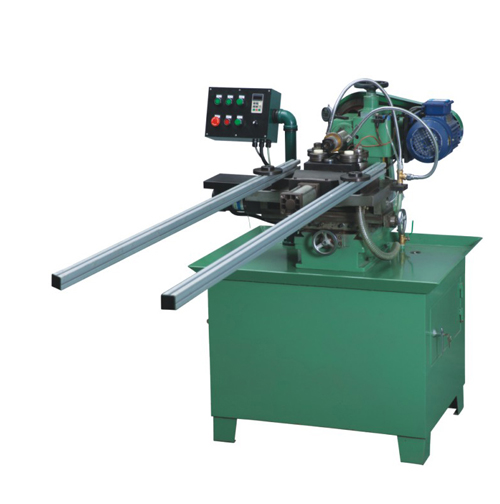
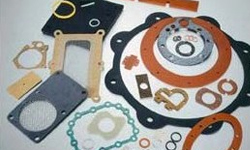
Many procurement teams discover that standard round spiral wound gaskets cannot seal an oval heat exchanger flange, a rectangular boiler handhole, or a diamond-shaped valve cover. The moment you send a non-standard CAD file to a general gasket supplier, the response is often a long lead time or a flat “we do not make that shape.” This is a real procurement pain point. At Ningbo Kaxite Sealing Materials Co., Ltd., the solution starts with custom tooling and a controlled winding process rather than hand-cutting or forcing a round gasket into an oval groove.
The manufacturing workflow follows these steps:
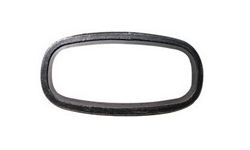
The table below summarizes the key production controls that make the process repeatable.
| Production Step | Key Equipment | Critical Control Parameter |
|---|---|---|
| Profile measurement | CNC vision measuring system | ±0.2 mm contour accuracy |
| Custom die machining | CNC wire-cutting machine | Surface roughness Ra ≤ 1.6 µm |
| Metal strip winding | Spiral winding machine | Winding tension 15–40 N |
| Filler integration | Layered filler feeding unit | Filler density 1.3–1.6 g/cm³ |
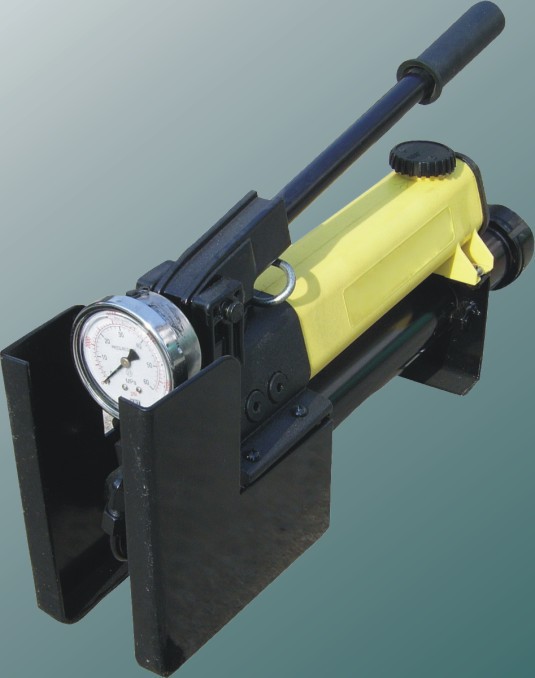
| Final compression | Hydraulic calibration press | Thickness tolerance ±0.3 mm |
Imagine issuing a purchase order for ten oval spiral wound gaskets and receiving parts that are 1 mm oversized on the long axis. The maintenance team cannot install them, and the shutdown clock is running. This happens when suppliers rely on manual trimming or generic templates instead of CNC profile machining.
Another frequent issue is inconsistent compression: some suppliers compress the winding unevenly, so the gasket seals well on straight sections but leaks at the oval ends. Ningbo Kaxite Sealing Materials Co., Ltd. solves this by using profile-specific compression dies and checking density at multiple points before shipment. We also provide dimensional inspection reports and material certificates so your incoming quality team can verify the parts quickly.
The table below compares typical procurement risks with our standard response.
| Procurement Pain Point | Common Supplier Response | Ningbo Kaxite Solution |
|---|---|---|
| Oval/rectangular flange mismatch | Manual adjustment or no quote | CNC-machined mandrel and outer ring per drawing |
| Uneven density at corners | Acceptance without measurement | Multi-point density check and controlled compression |
| No inspection documentation | Only a commercial invoice | Dimensional report, material certificate, and test data |
| Long lead time for special shapes | 8–12 weeks | Prototype in 7–15 days depending on profile complexity |
Non-circular flanges often appear in demanding services: steam heat exchangers with thermal cycling, chemical reactors with acidic media, and high-temperature boiler manways. If the metal strip or filler is selected only by price, the gasket may pass the first pressure test but fail after several thermal cycles.
For example, a heat exchanger operating at 450 °C with steam requires a 316L metal strip and flexible graphite filler. A chemical flange handling strong acids may need a PTFE-filled spiral wound gasket with a Monel or 316L strip. The corner regions of oval and rectangular gaskets experience higher local stress, so choosing a slightly more ductile metal strip can reduce the risk of cracking during cycling.
The table below lists material combinations we regularly supply for non-circular profiles.
| Service Condition | Metal Strip | Filler Material | Typical Temperature Range |
|---|---|---|---|
| Steam and hot water | 304 / 316L | Flexible graphite | -200 °C to 450 °C |
| Acids and caustics | 316L / Monel | PTFE | -200 °C to 260 °C |
| High-temperature exhaust | 321 / Inconel | Mica or graphite | Up to 800 °C |
| Thermal cycling service | 304L / 316L | Flexible graphite | -100 °C to 350 °C |
When requesting a quote, provide the flange material, operating temperature, pressure rating, and media type. This allows our engineering team to recommend a combination that balances sealability, chemical compatibility, and total ownership cost.
A common field failure story goes like this: the gaskets arrive on time, look correct, and install without issue. Then during start-up, small leaks appear at the long sides of an oval flange. The root cause is often insufficient compression during manufacturing or material density that was never measured. For procurement professionals, the lesson is simple: only accept non-circular spiral wound gaskets that come with documented test results.
Ningbo Kaxite Sealing Materials Co., Ltd. performs dimensional scanning on every non-circular gasket, not just on a sample basis. We test compression and recovery according to the applicable standard, and we can supply traceability from raw material heat numbers to final dimensions. These records help your plant avoid costly rework and unplanned downtime.
The table below outlines the inspection items we recommend for non-circular profiles.
| Inspection Item | Method | Acceptance Criteria |
|---|---|---|
| Profile dimensions | CNC vision scanner | Within drawing tolerance, typically ±0.5 mm |
| Thickness | Calibrated micrometer | ±0.3 mm across the gasket |
| Compression rate | Compression test machine | 18–30% depending on filler |
| Recovery rate | Compression test machine | ≥ 15% after unloading |
| Surface defects | Visual inspection | No cracks, delamination, or filler protrusion |
Before issuing a purchase order, many buyers ask two specific questions about production and quality control. The answers below help clarify what to expect from a qualified non-circular spiral wound gasket manufacturer.
Non-circular spiral wound gaskets are manufactured by winding alternating layers of a V-shaped metal strip and a soft filler material around a CNC-machined mandrel that matches the exact oval, rectangular, or diamond profile. The wound element is then compressed into a metal outer ring, inner ring, or both. This method creates a dense, dimensionally stable gasket that can seal irregular flange shapes without excessive bolt load. The key difference from manual cutting is that the winding process preserves the spiral structure for reliable recovery and sealing performance.
The main difference is custom tooling. Standard round gaskets use circular mandrels and guide rings, while non-circular versions require CNC profile machining for the mandrel, outer ring, and compression die. Winding tension and layer alignment must also be adjusted to prevent filler migration at corners or sharp radii. This is why a supplier with in-house CNC machining and controlled winding can deliver better dimensional accuracy and shorter lead times than a distributor without production capability.
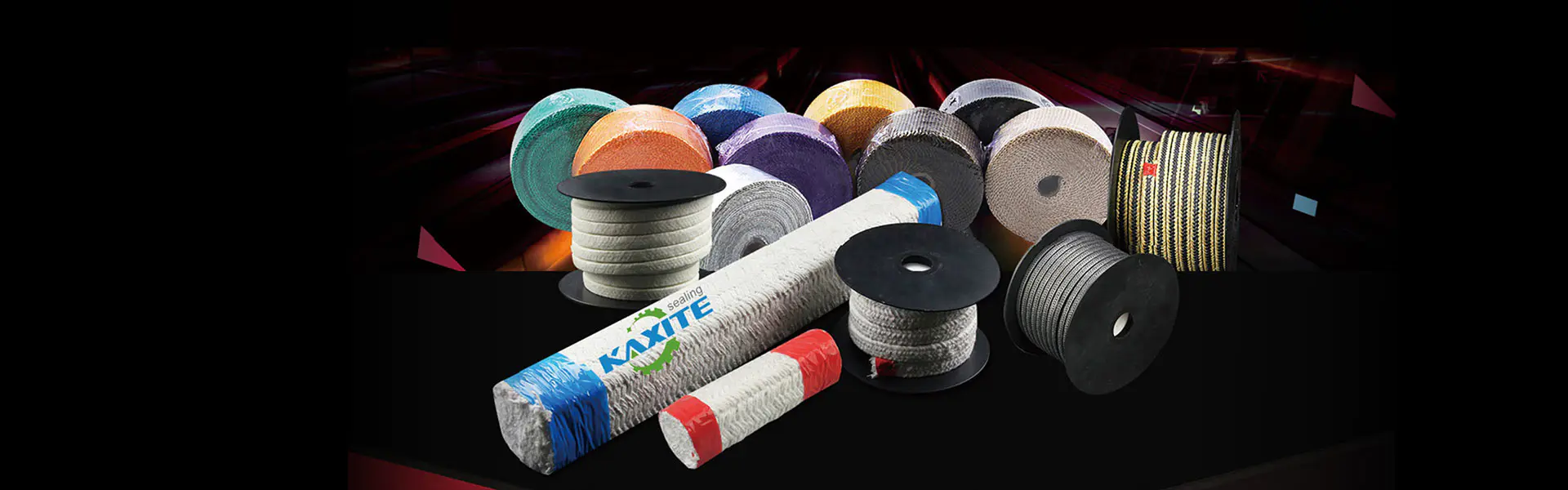
Ningbo Kaxite Sealing Materials Co., Ltd. is a specialized manufacturer of industrial sealing products, including non-circular spiral wound gaskets, standard spiral wound gaskets, sheet gaskets, and custom sealing solutions. The company’s engineering team supports global procurement professionals with rapid drawing confirmation, material selection guidance, and production tracking from prototype to bulk shipment. Whether you need one special-shaped gasket for an emergency repair or a long-term supply program for multiple plant locations, the team can review your flange drawings, recommend the right metal strip and filler combination, and provide inspection documentation before dispatch. Visit https://www.industrial-seal.com to review product specifications, or contact cindy@seal-china.com for a same-day quotation and technical advice. Share your flange drawing or dimensional sketch, and the team will evaluate the non-circular profile and help you avoid sealing failures before they happen.
References
Bickford, J.H., 1998. An Introduction to the Design and Behavior of Bolted Joints. Mechanical Engineering Series, Vol. 42.
Fessler, H., & Hyde, T.H., 2000. Stress Distribution in Spiral Wound Gaskets under Internal Pressure. International Journal of Pressure Vessels and Piping, Vol. 77, Issue 6.
Kobayashi, T., & Nishida, T., 2002. Sealing Performance of Spiral Wound Gaskets under Thermal Cycling. Journal of Pressure Vessel Technology, Vol. 124, No. 3.
Abid, M., & Nash, D.H., 2004. Comparative Study of Gasketed Joints: Spiral Wound versus Kammprofile. Proceedings of the Institution of Mechanical Engineers, Part E: Journal of Process Mechanical Engineering, Vol. 218, No. 4.
Nagata, S., & Sawa, T., 2008. Effects of Inner and Outer Rings on the Sealing Performance of Spiral Wound Gaskets. Journal of Solid Mechanics and Materials Engineering, Vol. 2, No. 7.
Sun, J., & Gu, B., 2011. Finite Element Analysis of Non-Circular Spiral Wound Gaskets for Heat Exchanger Applications. International Journal of Pressure Vessels and Piping, Vol. 88, Issue 8.
Xu, H., & Liu, Y., 2013. Experimental Study on Mechanical Properties of Flexible Graphite Filler in Spiral Wound Gaskets. Sealing Technology, Vol. 2013, Issue 5.
Peng, W., & Li, Z., 2016. Leak Rate Prediction of Spiral Wound Gaskets under Variable Bolt Load. Journal of Loss Prevention in the Process Industries, Vol. 41.
Chen, X., & Wang, Q., 2018. Optimization of Winding Parameters for Oval Spiral Wound Gaskets in Pressure Vessel Applications. Engineering Failure Analysis, Vol. 92.
Zhang, Y., & Wang, L., 2020. Non-Destructive Testing Methods for Spiral Wound Gasket Compression Characteristics. Materials Evaluation, Vol. 78, No. 9.
-