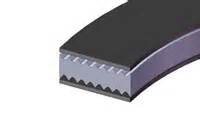
Serrated gaskets are sealing components with concentric grooves machined into their metal surface, often with a soft facing layer. They work by creating multiple concentric sealing lines under compression, where the serrations concentrate bolt load to form a tight, reliable seal, while the soft material fills surface imperfections.
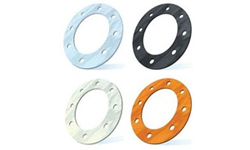
Non-asbestos gasket materials are sealing products designed to replace traditional asbestos-based gaskets, offering safety without compromising performance. Common types include aramid fiber, graphite, PTFE, elastomeric, and fiberglass-based materials, each suited for specific temperature, pressure, and chemical resistance requirements.
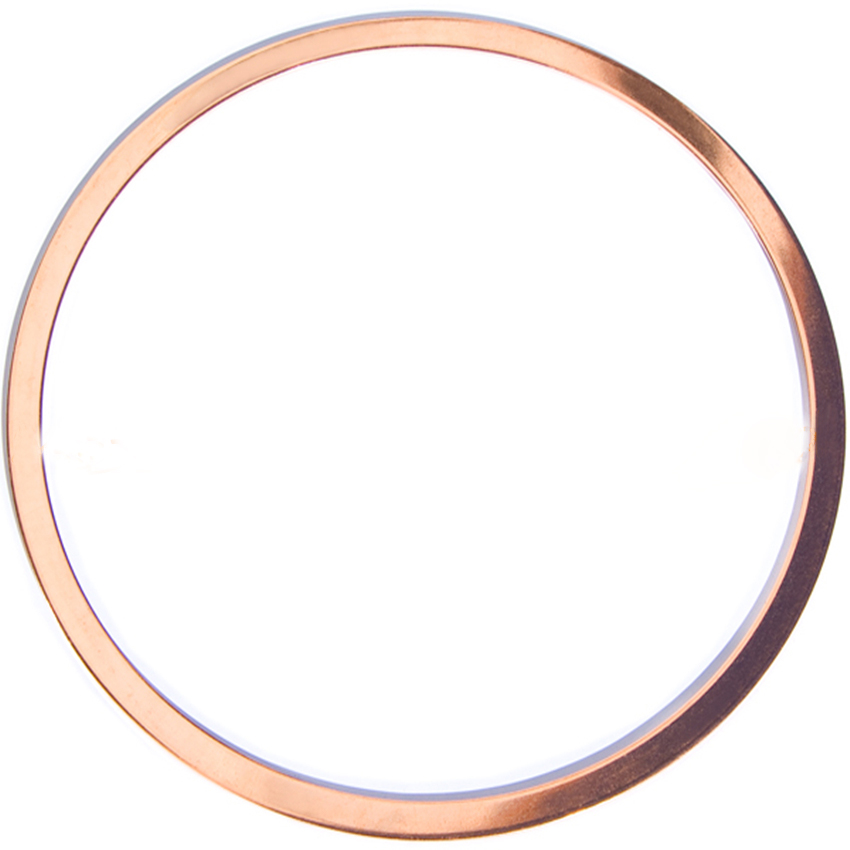
Copper gaskets turn green due to a natural oxidation process where the metal reacts with oxygen, moisture, and carbon dioxide in the air, forming a green layer called patina or verdigris.
A concise guide to properly installing self-adhesive gasket tape: ensure the surface is clean and dry, measure and cut the tape to fit, peel off the backing, and press it firmly in place to achieve an effective seal.
Discover the best tools and techniques for cutting rubber gaskets accurately, from manual methods to power tools, ensuring clean edges and a perfect seal.
This article explores how long PTFE packing typically lasts in various sealing applications, examining the key factors that influence its lifespan and performance.
We use cookies to offer you a better browsing experience, analyze site traffic and personalize content. By using this site, you agree to our use of cookies. Privacy Policy

 05 2026-06
  01 2026-06
  29 2026-05
  28 2026-05
  22 2026-05
  21 2026-05